How to Have Your First Conversation in a New Language
Last updated on
A first conversation often feels harder than app exercises because you must listen, plan, speak, and react at the same time. Knowing more vocabulary helps, but conversation also depends on turn-taking and repair skills. Prepare a few flexible building blocks rather than a complete script, and define success as keeping the exchange moving—not producing error-free sentences.
Your first-conversation toolkit
- Prepare two familiar topics with a short answer, one detail, and a question for the other person.
- Learn phrases for asking someone to repeat, slow down, explain a word, or confirm your meaning.
- Use simple follow-up questions such as why, how, when, and what happened next.
- Afterward, write down one successful moment and one gap to practise before the next conversation.
The Nerves Beyond the Words
The primary culprit is rarely a lack of knowledge. Studies suggest that anxiety, fear of mistakes, and a lack of real conversational practice are far more responsible for that conversational breakdown than gaps in vocabulary or grammar (Cambridge English research). Even advanced learners can find themselves suddenly unable to form a coherent sentence when speaking to a native speaker. Anxiety shapes our perception and performance. According to research published in Frontiers in Psychology, language anxiety can manifest physically (sweaty palms, elevated heart rate) and psychologically (self-doubt, blank mind). This pressure triggers the brain’s “fight or flight” response—hardly conducive to smooth conversation.App Practice vs. Real Conversation
Traditional language study methods tend to focus on passive input: reading, writing, listening, and repeating after recordings. While valuable, these activities don’t prepare you for the unpredictable dance of real-time conversation. Natives may speak quickly, use idiomatic expressions, or go off-script in ways you can’t anticipate. Many apps and textbooks simulate idealized conversation. But real-world language is messy: interruptions, slang, strange accents, or unexpected questions are the norm. Learners often freeze not because they can’t respond, but because they haven’t practiced responding spontaneously.Breaking the Awkward Silence
So how can learners prepare for these inevitable stumbles?- Embrace Imperfection: Make peace with making mistakes. Research from the British Council highlights the importance of “communication over perfection.” Fluent speakers navigate gaps by rephrasing, gesturing, or even laughing it off.
- Practice With Adaptive Partners: Look for opportunities to engage in unscripted, back-and-forth exchanges. Platforms like simulated conversation tools offer dynamic, realistic conversations that adapt to your responses.
- Plan Your Escape Hatches: Rehearse phrases that buy you time, such as “Could you repeat that?” or “Sorry, I didn’t catch that.” These keep the conversation going and allow you a moment to regroup.
- Learn to Pivot: Not sure about a word or phrase? Practice steering the conversation back to topics you’re confident in until you gather your thoughts. Over time, this builds resilience and fluency.
Try Real, Adaptive Speaking Practice
If you’re serious about improving your speaking skills, don’t rely solely on repetitive drills. Instead, challenge yourself with genuine interactive scenarios—a key feature of AI-powered platforms like Talkio. For example, practicing English conversation in American dialect or exploring a variety of accents and topics under realistic, low-pressure conditions can make a world of difference.The Polyglot’s Secret
Here’s that big reveal: Most experienced language learners don’t aim for “perfect” first conversations. Instead, they deliberately seek out awkwardness. That uncomfortable silence? Polyglots consider it a crucial signpost for growth. They step into as many imperfect conversations as possible, treating each one as a rehearsal, not a final exam. Rather than avoiding awkwardness, they lean into it. Each stumble becomes a learning opportunity—reducing the fear, increasing comfort, and making each subsequent conversation smoother than the last. So, when your first real conversation arrives, remember: The goal isn’t to avoid awkward silence but to use it as fuel for progress. As you embrace imperfection and practice speaking in safe, adaptive environments, you’ll be able to turn those awkward moments into stepping stones toward true fluency.Talk Your Way
to Fluency
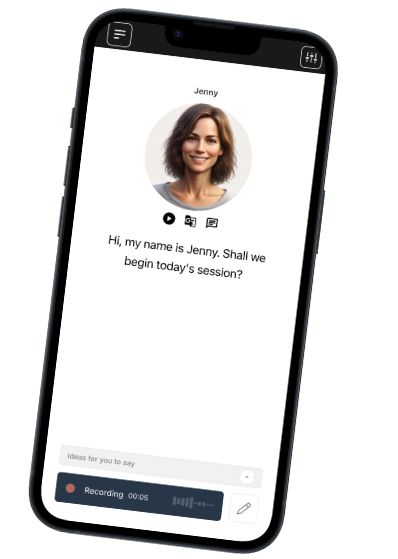
Talkio is the ultimate language training app that uses AI technology to help you improve your oral language skills!
Try Talkio